The Heinz Sight
The Blog
Branding, Shopify and the occasional overshare-from the studio.
Open post
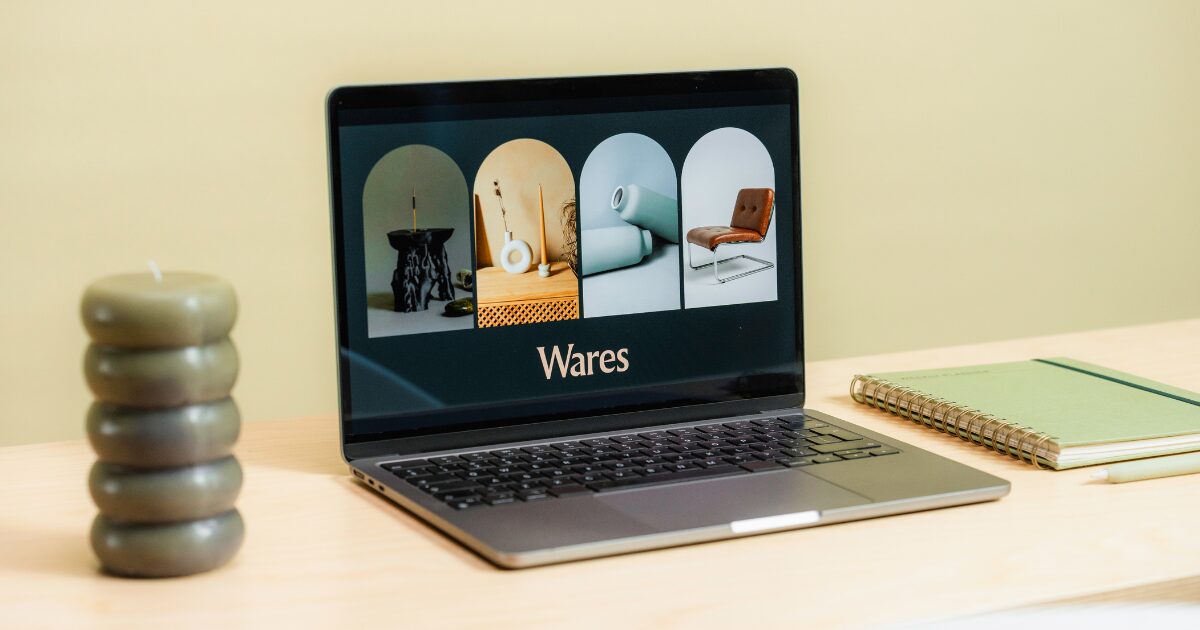
A polished logo and a solid color palette are the beginning of a brand identity, not the whole thing. Plenty of small brands have a genuinely nice visual identity that falls apart the moment you look past the homepage — inconsistent fonts in emails, a mismatched Instagram aesthetic, packaging that feels like a different company entirely. Cohesion is what separates a brand that feels intentional from one that feels assembled.
Filed in:
September 14, 2026
Open post
Metafields are one of the most powerful features in Shopify, and also one of the most confusing to a founder hearing the term for the first time. The good news: the underlying concept is much simpler than it sounds. Here’s a plain-language breakdown.
Filed in:
August 19, 2026

Open post
A lot of founders treat “loyalty strategy” and “loyalty points program” as the same thing. They’re not. A points or reward program is one tool, and it’s not always the right one for every brand or budget — especially early on, when the setup and reward overhead can outweigh the benefit. Real loyalty is built through the full customer experience, and there’s a lot you can do before (or alongside) any formal program.
Filed in:
August 13, 2026
Open post
Founders will spend hours perfecting product photography and then write the description in five minutes, almost as an afterthought. That’s very backwards. Photography gets someone to stop scrolling — copy is what actually convinces them to buy. Here’s how to write descriptions that do their job.
Filed in:
August 10, 2026

Open post
Color is usually the first branding decision founders make, and often the one they agonize over the most. Which makes sense — it’s the most visible, most repeated element of your entire brand. But “I like this color” and “this color works for my business” are two different questions, and conflating them is how founders end up with a palette that photographs beautifully on a mood board and does nothing for them on a product page.
Filed in:
August 7, 2026

Open post
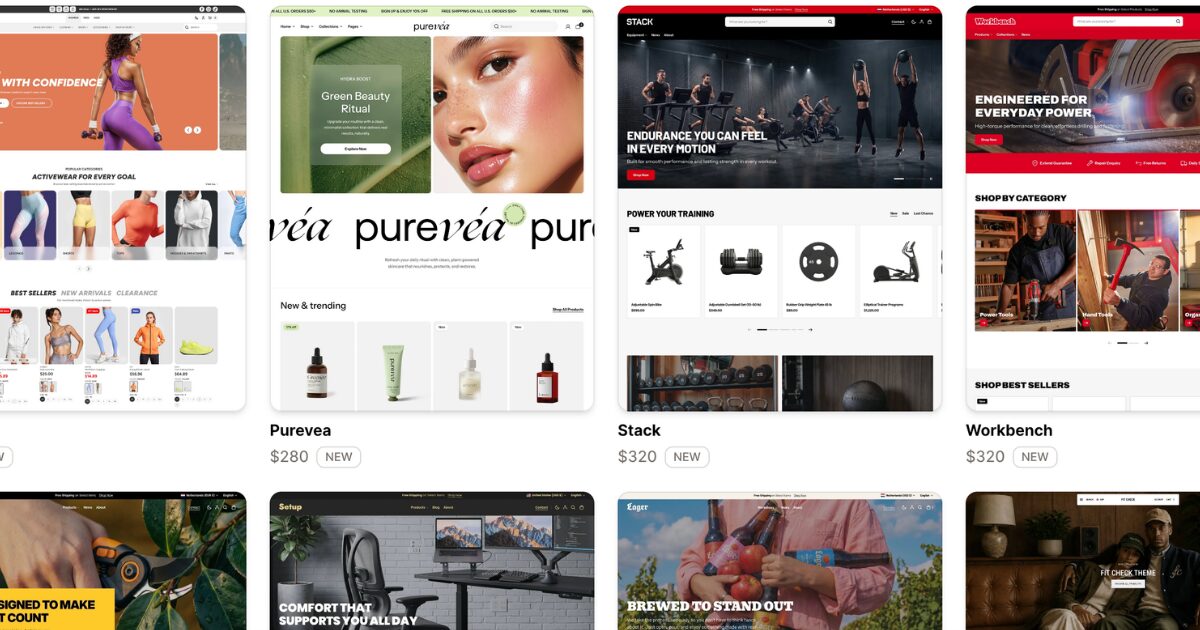
Scrolling the Shopify Theme Store feels a little like scrolling a home decor site — everything looks appealing in the demo, and it’s easy to choose based purely on visual style. But a theme is closer to a piece of infrastructure than a piece of decoration. Here’s how to choose one that actually fits your business, not just your taste.
Filed in:
August 3, 2026
Open post
Every founder knows they “should” be growing an email list. Fewer know why it actually matters: email is one of the only marketing channels you fully own. Algorithms change, ad costs rise, platforms de-prioritize your posts — but your email list is yours, and it’s usually your highest-converting channel by a wide margin. Here’s how to grow one worth having.
Filed in:
July 31, 2026

Open post
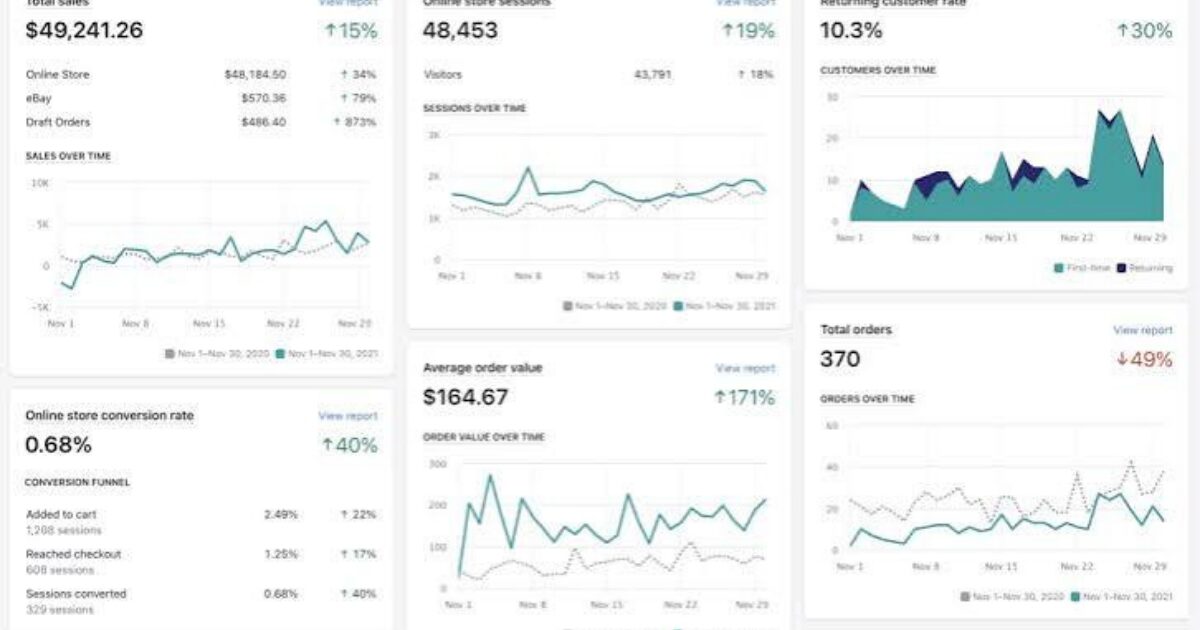
Most founders check their analytics looking for marketing answers: did the ad work, did the email convert, is traffic up or down. Understanding your dashboard and where/how to read your Shopify analytics can help in more ways than one. Fewer realize that the same dashboard is full of design clues — signs that something in your storefront’s layout, flow, or experience is quietly costing you sales. Here’s how to spot them.
Filed in:
July 27, 2026
Open post
Every Shopify store eventually falls into the same trap: an app for reviews, an app for upsells, an app for pop-ups, an app for loyalty points, an app for the app that manages the other apps. Each one seemed necessary in the moment. Together, they slow your site down, clutter your checkout, and make your storefront harder to maintain. Here’s how we assess which apps you need and which you don’t.
Filed in:
July 23, 2026

Open post
Nothing stalls a design conversation faster than a founder nodding along to a term they don’t actually understand. You shouldn’t need a design degree to brief a project or give useful feedback — you just need to know the vocabulary. Here’s the shortlist that comes up constantly.
Filed in:
July 20, 2026